Motion-sensing play at home
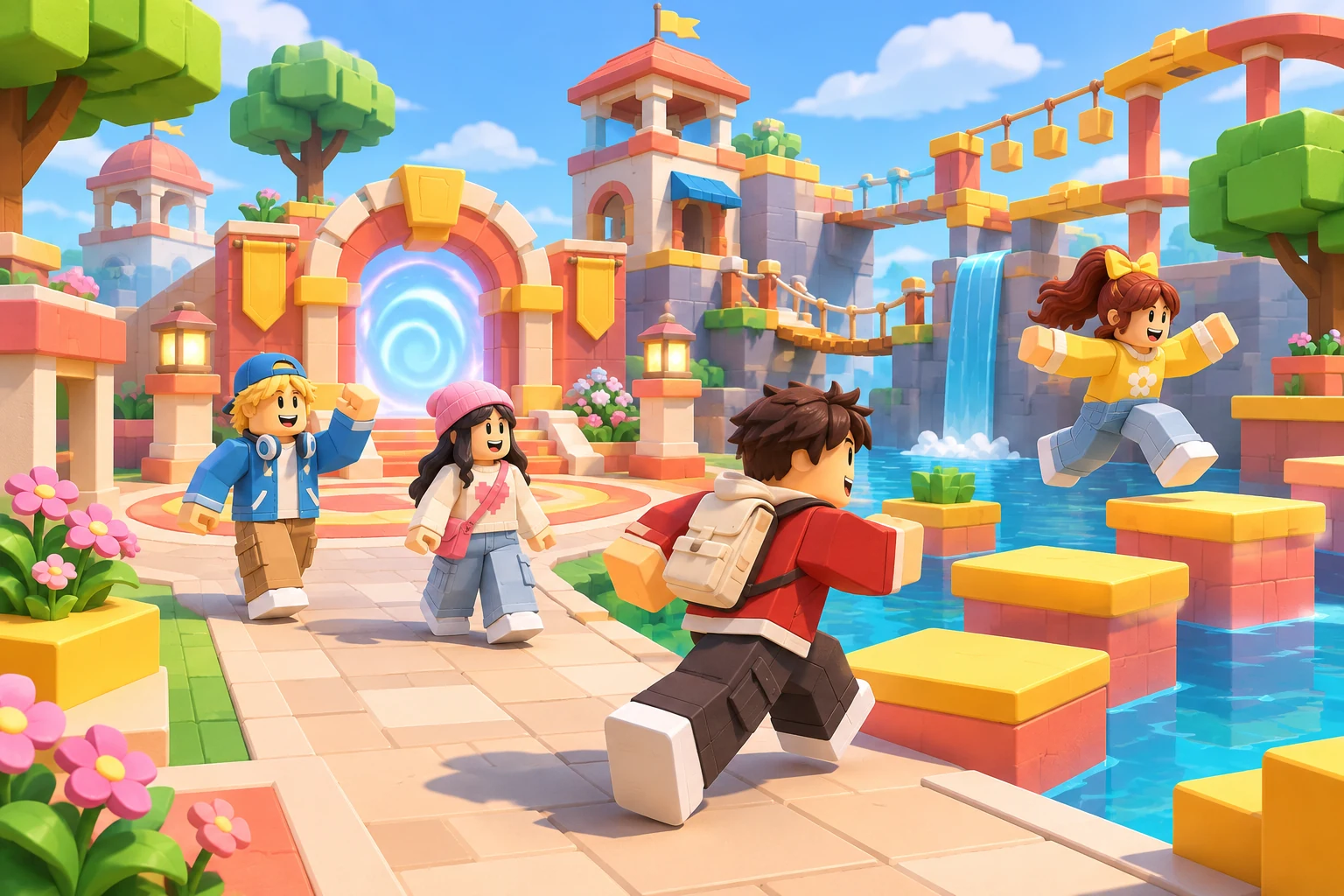
We explore interactive games played through body movement in living rooms and other everyday spaces, choosing interaction methods that fit the space.
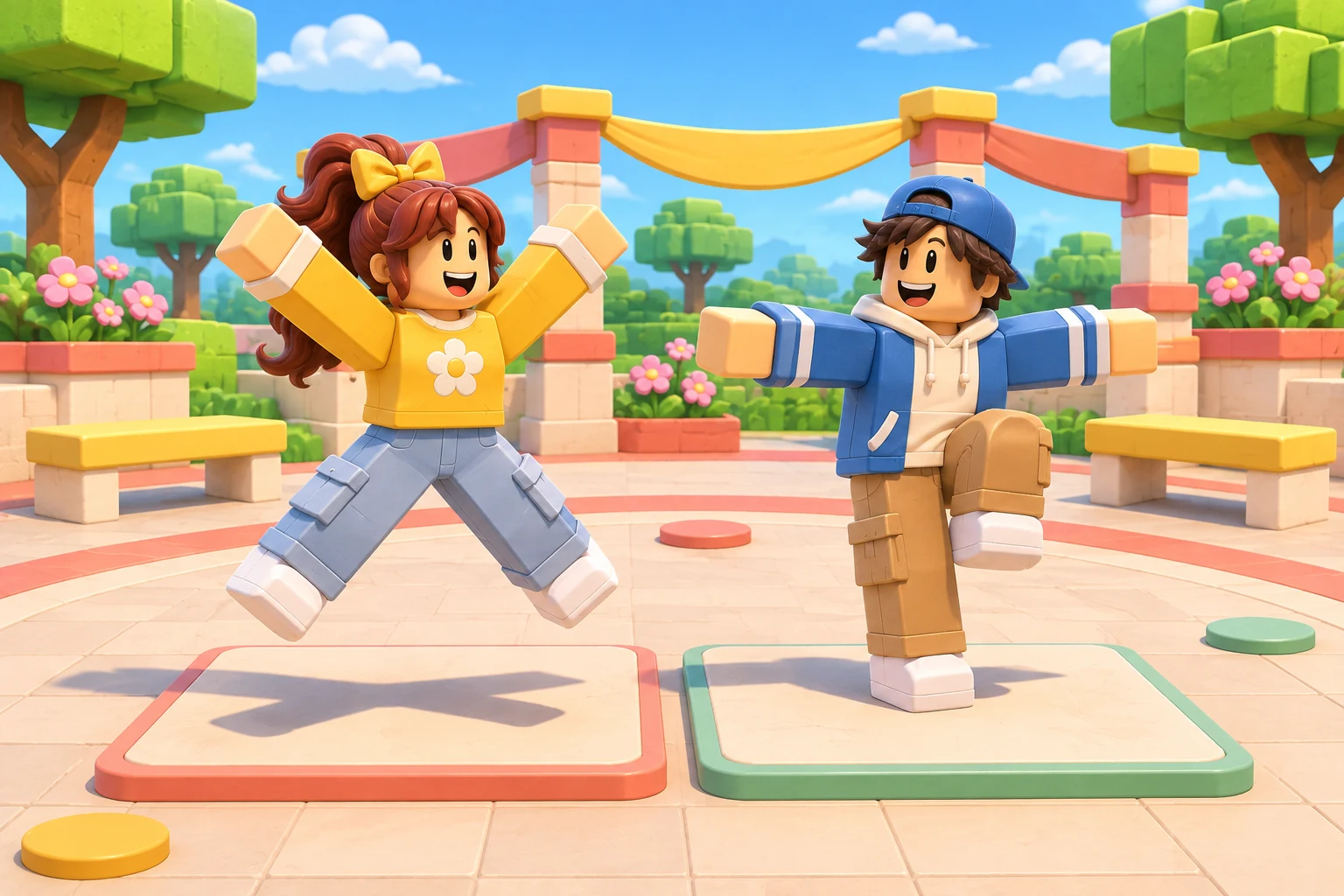
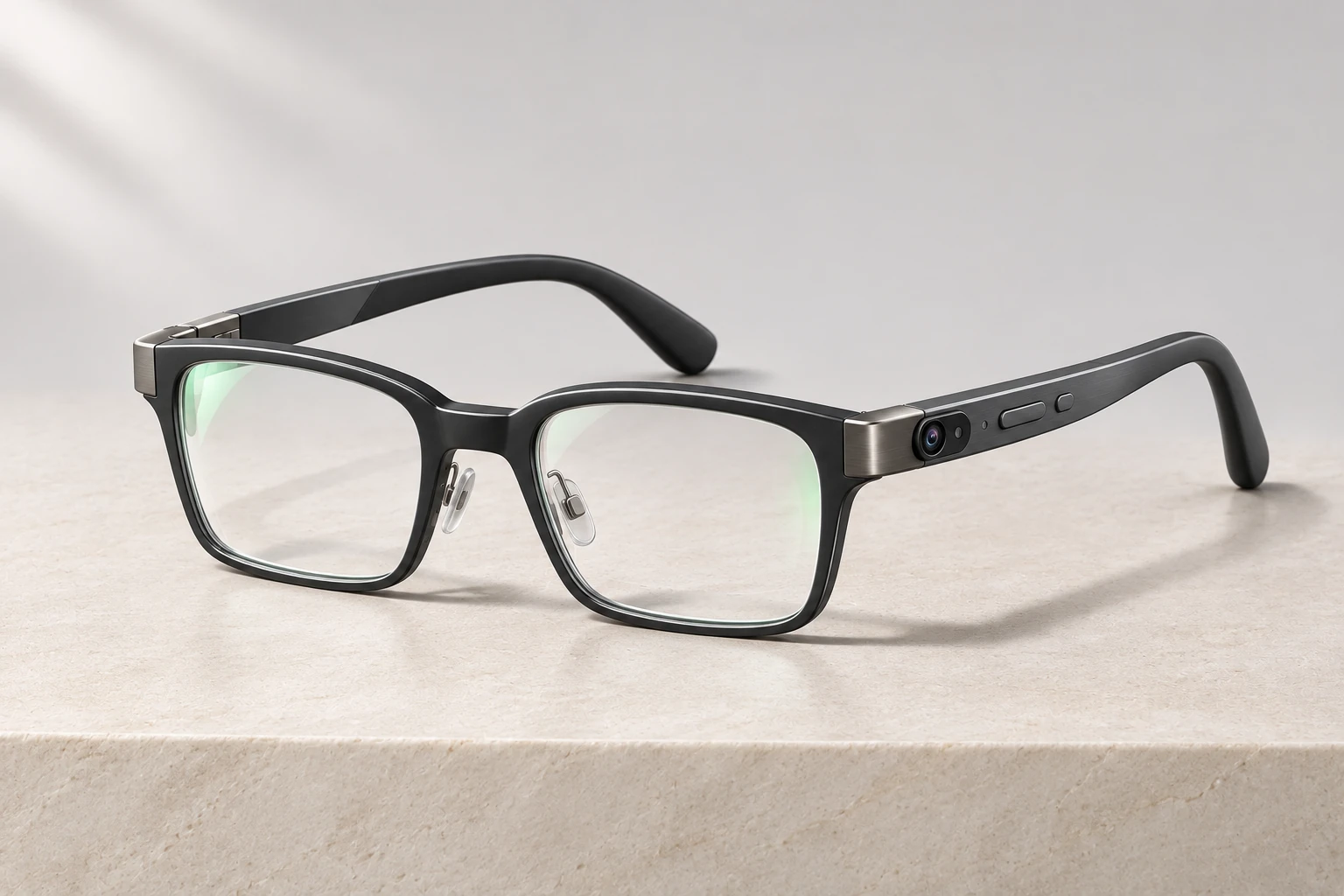
Motion-sensing smart hardware connects to companion game software, with device input, interactive feedback, and game logic planned as a whole. Based on the actual play space and target gameplay, the device, the game, and any connected services needed can be designed together.
We explore interactive games played through body movement in living rooms and other everyday spaces, choosing interaction methods that fit the space.
For experience zones and event spaces, short, easy-to-follow motion-sensing gameplay can be designed around presentation goals.
For different content themes and player groups, we discuss how motion input, game rules, and on-screen feedback work together.
Specific development work is defined by project requirements.
Smart hardware design, embedded firmware, and data connections between device and software are planned around interaction goals.
Client interaction and gameplay logic are built around device input, so hardware and content work together in one experience.
When connectivity is needed, the system architecture can be planned around server, device connectivity, and remote management capabilities.